Stanford psychologist’s brain scanned in MRI for 18 months, twice a week

22 sec read

When I was a graduate student in Baylor College of Medicine I participated in an “exercise and brain” study in our lab as a subject, and got my brain scanned every week for about 10 weeks. I thought it was crazy; but apparently it’s not nearly as crazy as Russell Poldrack, a Stanford psychologist, who scanned his brain for 18 months, twice a week. Wow!

The result was published in Nature Communications in December, 2015.

I find what is amazing is that they shared their data publicly online. You can download the data at http://myconnectome.org/wp/.

Russell Poldrack’s Lab link: https://poldracklab.stanford.edu/



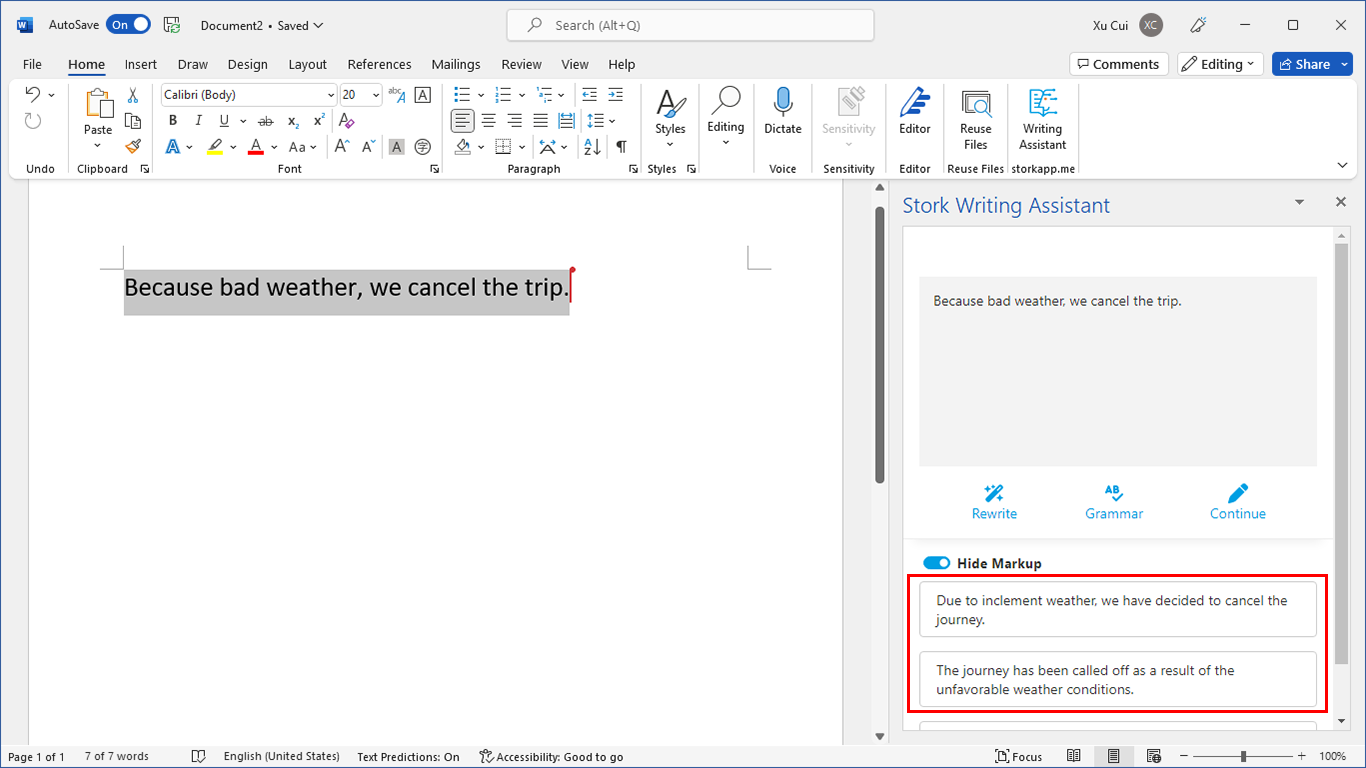
写作助手,把中式英语变成专业英文

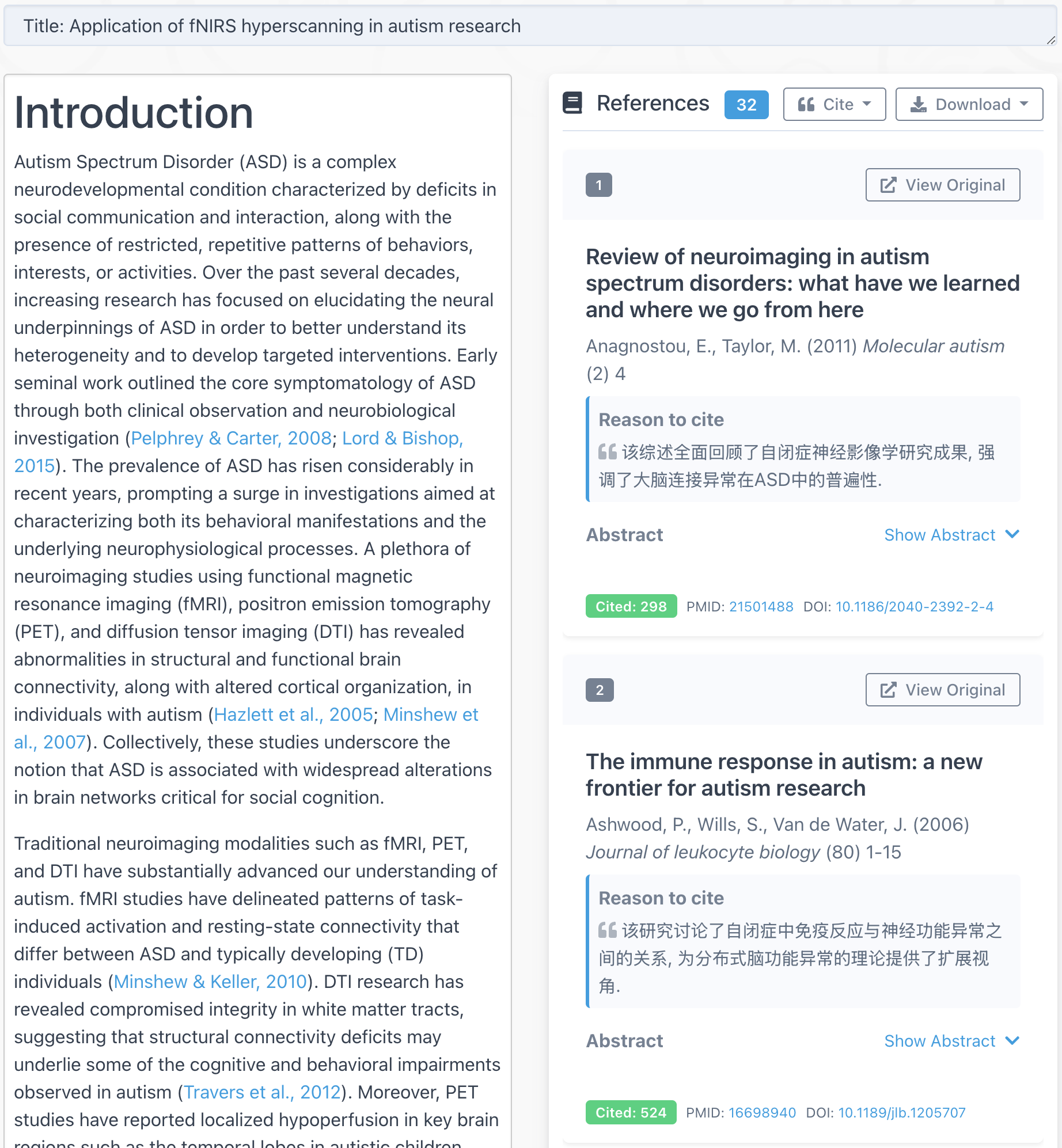
AI writing papers with real references

Want to receive new post notification? 有新文章通知我

第六十九期fNIRS Journal Club通知2026/1/31, 10am 赵伟华课题组

社会学习是个体通过观察与模仿他人行为获取社会知识与技能的核心过程,其中情绪面孔模仿在情感交流与社会互动中扮演关键角色。长期情绪面孔模仿学习如何动态塑造镜像神经元系统的神经表征,并影响后续社会情绪感知尚
Wanling Zhu
12 sec read

第六十八期fNIRS Journal Club视频 夏伟力

Youtube: https://youtu.be/R2rHR5Wq9AU 优酷: https://v.youku.com/v_show/id_XNjUwNjAzNzA4MA==.html 以左侧背外
Wanling Zhu
18 sec read

第六十八期fNIRS Journal Club通知2025/12/6, 10am 夏伟力

以左侧背外侧前额叶皮质(DLPFC)为靶点的间歇性 θ 爆发刺激(iTBS)已成为治疗重度抑郁障碍的成熟方案,但其在刺激过程中及刺激后瞬时对神经兴奋性的影响仍不清楚。来自香港理工大学的夏伟力将分享探讨
Wanling Zhu
13 sec read

Leave a Reply

Your email address will not be published. Required fields are marked *