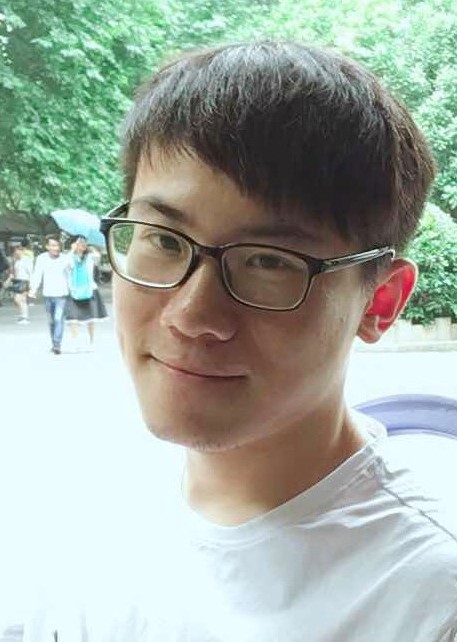
瑞典 Karolinska Institutet的潘亚峰博士将为大家讲解他们最近发布的一篇用超扫描研究教师学生关系的文章。热烈欢迎大家参与讨论。潘博士为了这次报告,需要一大早就起床。因此本次报告的时间比过去要稍晚一点。
时间: 北京时间2021年1月23日周六下午1点
地点: https://zoom.com
房间号: 815 4986 9861
密码: 796475
Pan, Guyon, Borragán, Hu, Peigneux (2020) Interpersonal brain synchronization with instructor compensates for learner’s sleep deprivation in interactive learning Biochemical pharmacology () 114111. 点击查看
该文献的PUBMED信息
PMID: 32569629
DOI: 10.1016/j.bcp.2020.114111
Abstract: Recent advances shifted the focus on single-brain functioning toward two-brain communication during learning interactions, following the demonstration that interpersonal brain synchronization (IBS) can track instructor-learner information exchange. Here, we investigated (i) whether sleep deprivation (SD) that potentially impacts both social interactions and learning abilities modulates IBS, and (ii) conversely whether and to what extent IBS might compensate for SD-related learning deficits. Instructors (always with regular sleep, RS) were asked to teach numerical reasoning strategies to learners (either SD or RS), during which the activity of both brains was simultaneously recorded using functional near-infrared spectroscopy (fNIRS). SD learners initially performed below their baseline level, worse than RS learners, but learning improvement was comparable between RS and SD conditions after learning with the instructor. IBS within the instructor-learner dyads was higher in the SD (vs. RS) condition in the left inferior frontal cortex. In addition, clustered IBS (estimated by nonnegative matrix factorization) was correlated with performance improvement. Finally, Granger Causality analyses revealed biased causality with higher instructor-to-learner than learner-to-instructor directionality in brain signal processing. Together, these results indicate that SD-related learning deficits can to some extent be compensated via interactions with an instructor, as reflected by increased IBS and preserved learning ability. It suggests an essential role of the instructor in driving synchrony between teaching and SD learning brains during interactions.

写作助手,把中式英语变成专业英文
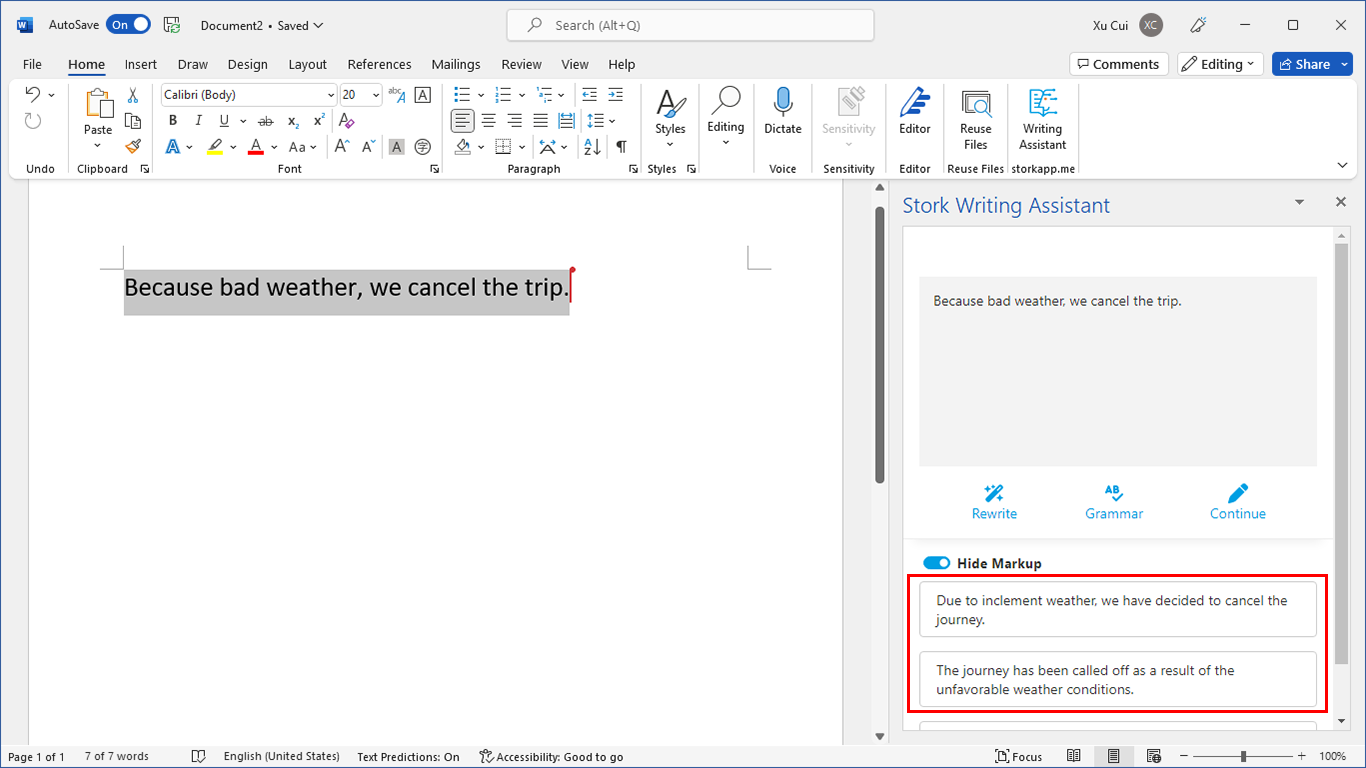
AI writing papers with real references