
TL;DR
Big Analysis now supports all-discipline search. Beyond PubMed, you can now explore virtually any research field with visual insights into growth trends, geographic distribution, top institutions, top journals, experts (and their contact information) and more.
Where do we start a new research topic? Reading hundreds of papers one by one takes time. And even after hours of reading, it's still difficult to see the bigger picture.
That's exactly why we built Big Analysis.
Simply enter a keyword, and Big Analysis automatically searches the literature and turns thousands of papers into an easy-to-read overview.
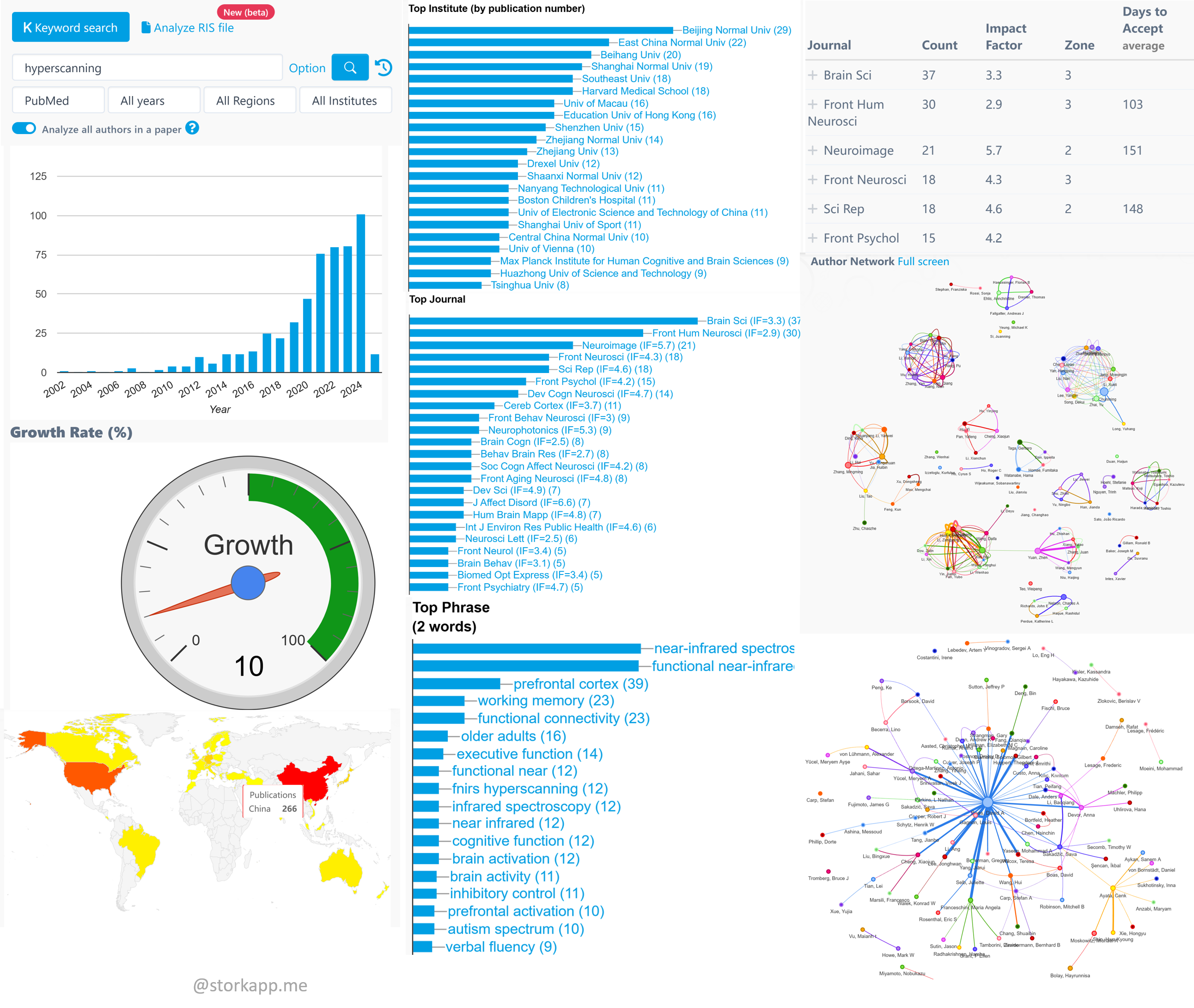
Previously, Big Analysis relied primarily on the PubMed database, making it especially useful for medicine, biology, neuroscience, and related disciplines.
With this update, Big Analysis now supports multidisciplinary search.
Whether you're studying psychology, education, computer science, materials science, physics, economics, or the humanities, you can now explore your field with the same powerful visual analysis.
Suppose you're interested in "second language learning" and "anxiety."
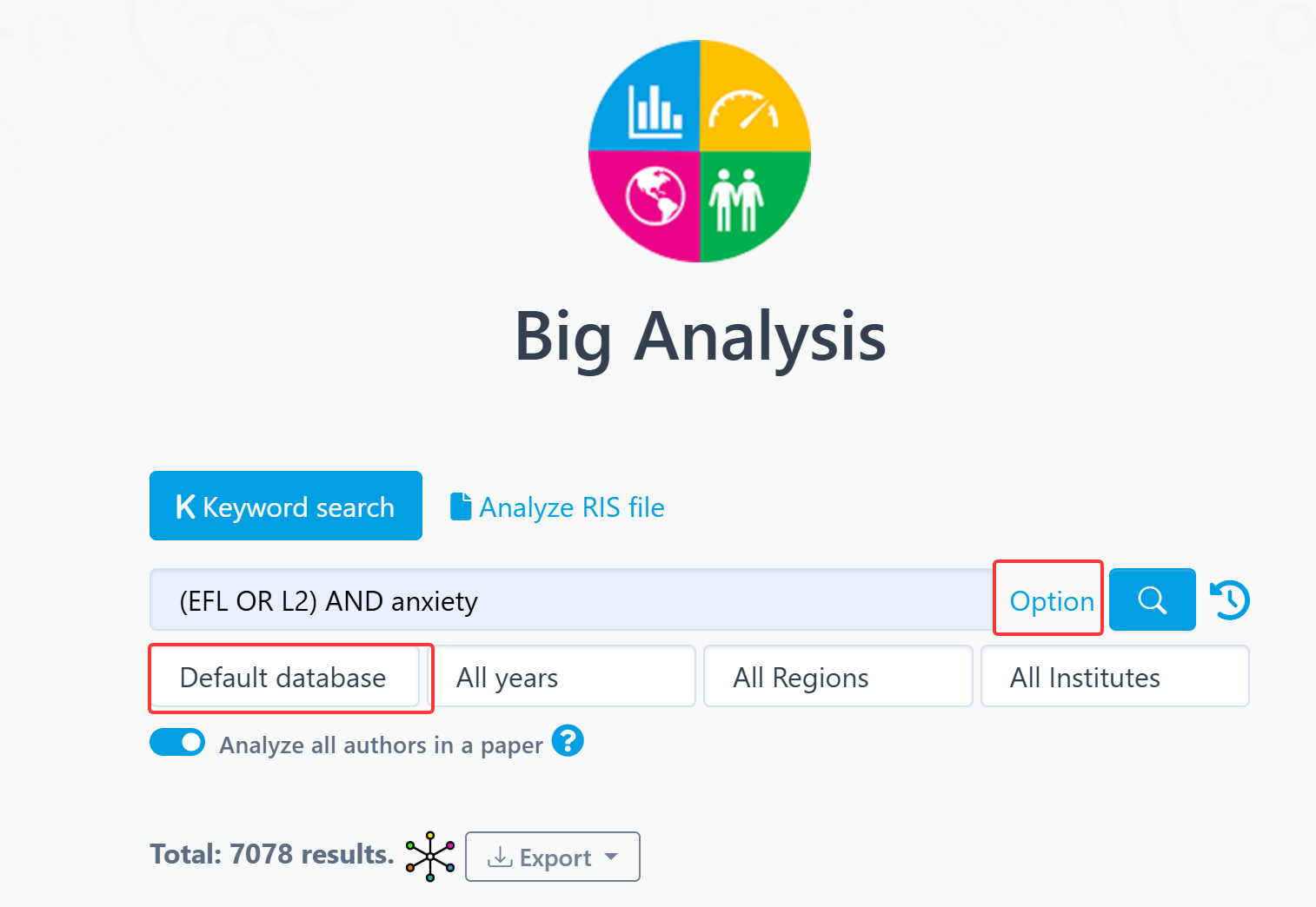
Simply choose Default Database (All Disciplines) and click Search.
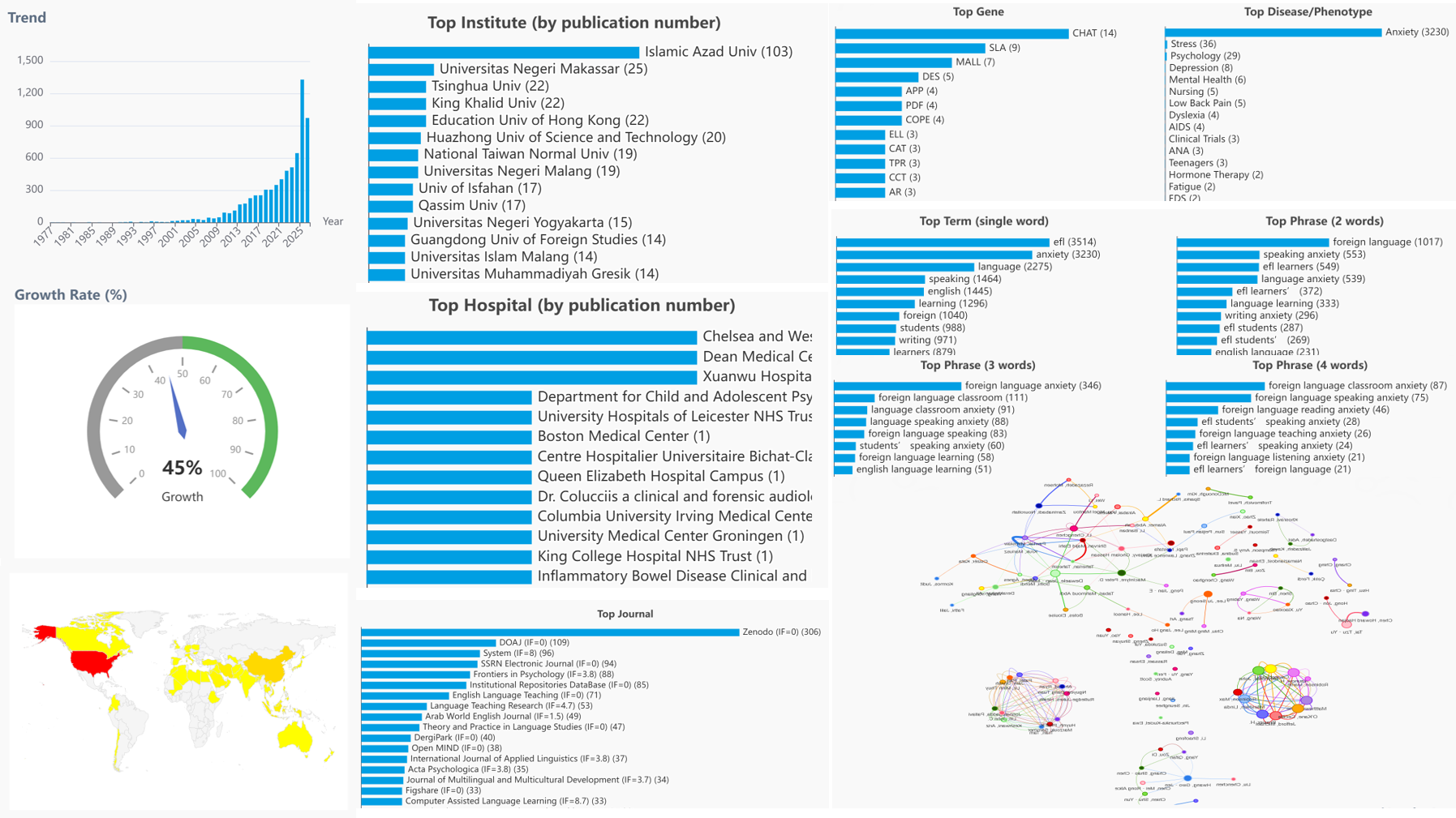
In just a few seconds, Big Analysis analyzes 7,012 related publications, giving you a comprehensive overview of the entire research landscape.
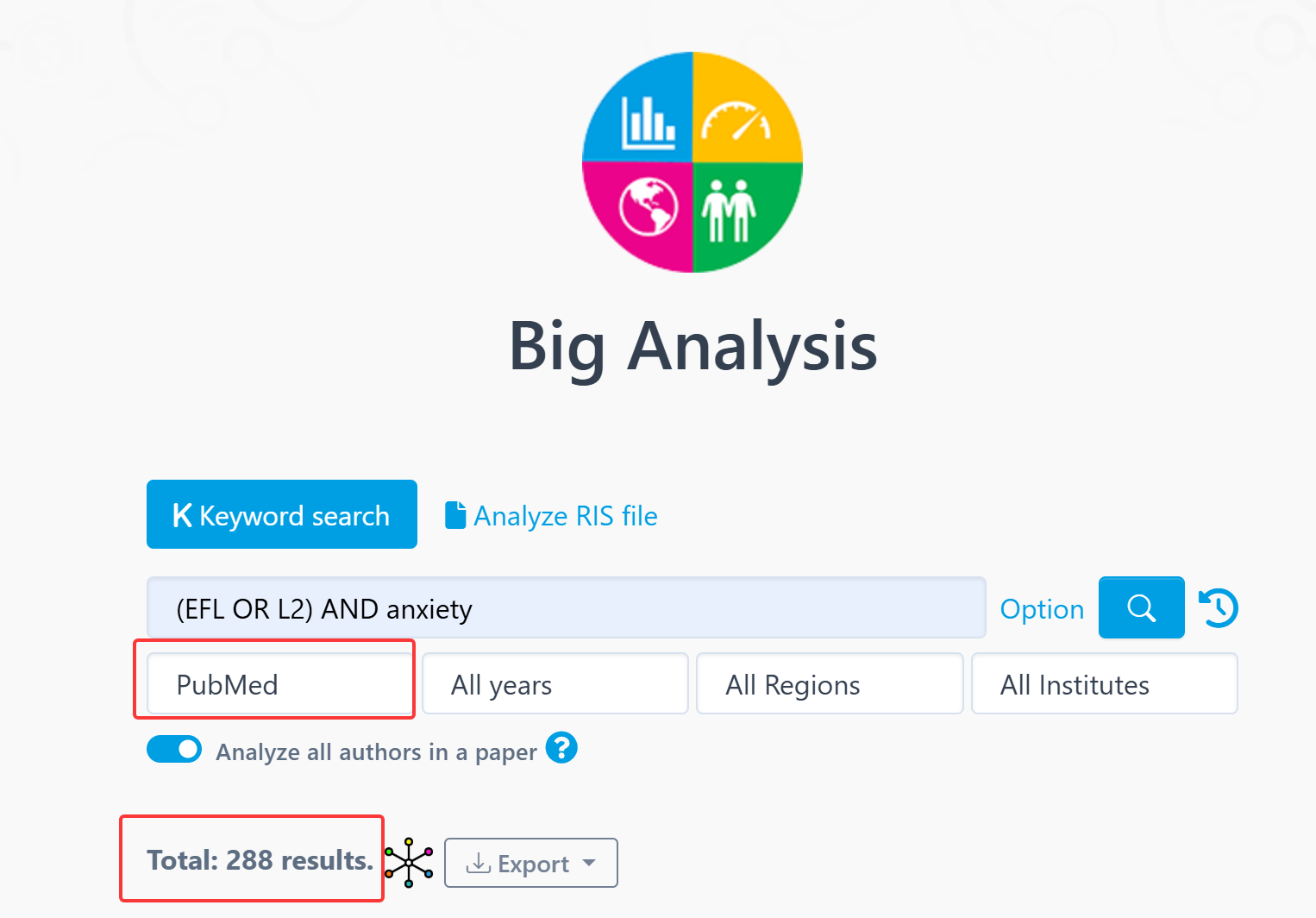
Now compare that with the same search in PubMed.
Because PubMed focuses on biomedical literature, multidisciplinary topics often return far fewer papers.
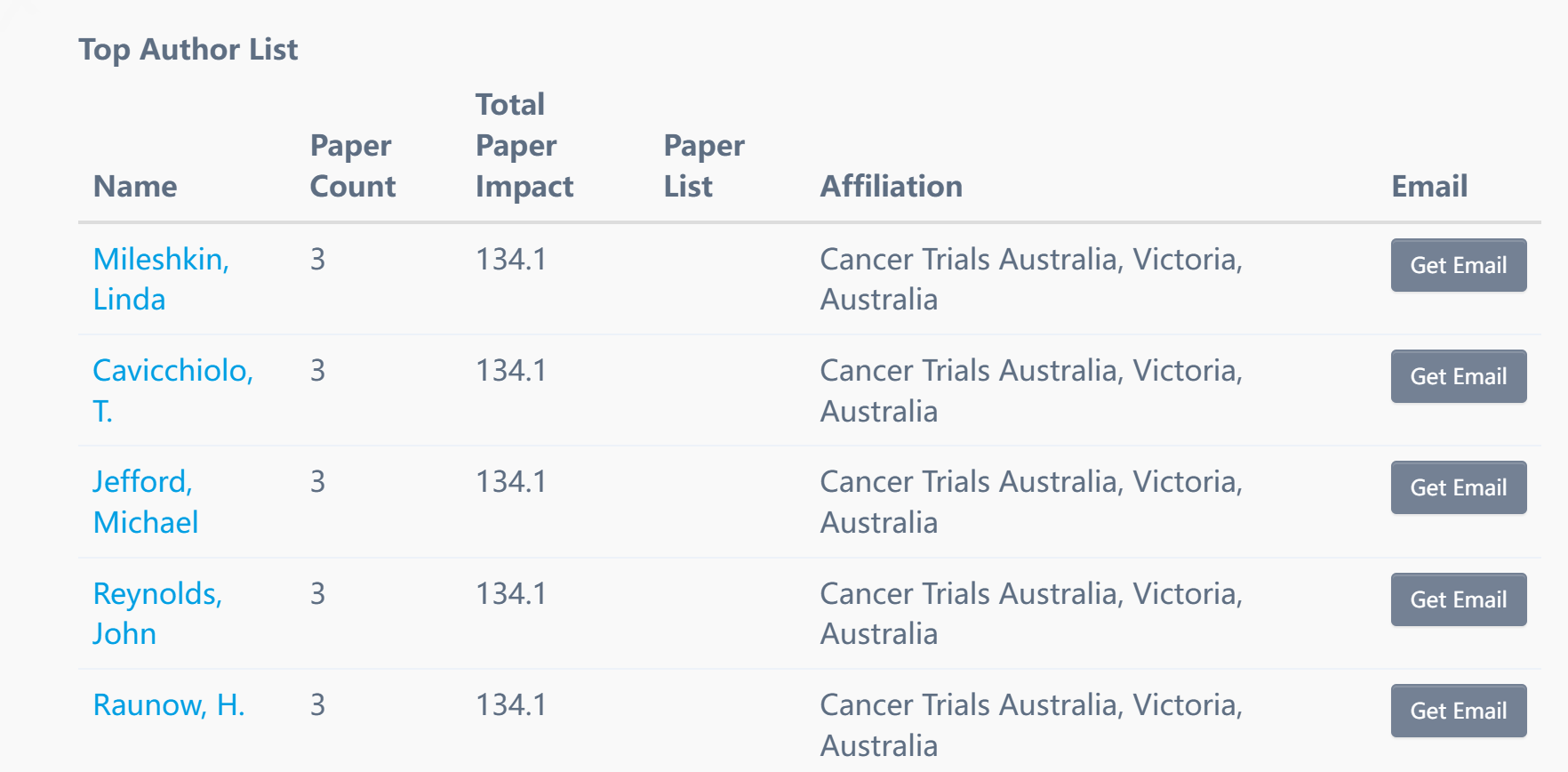
Below the Author Network, you'll find a ranked list of researchers by publication count, making it easy to identify leading experts and potential collaborators.
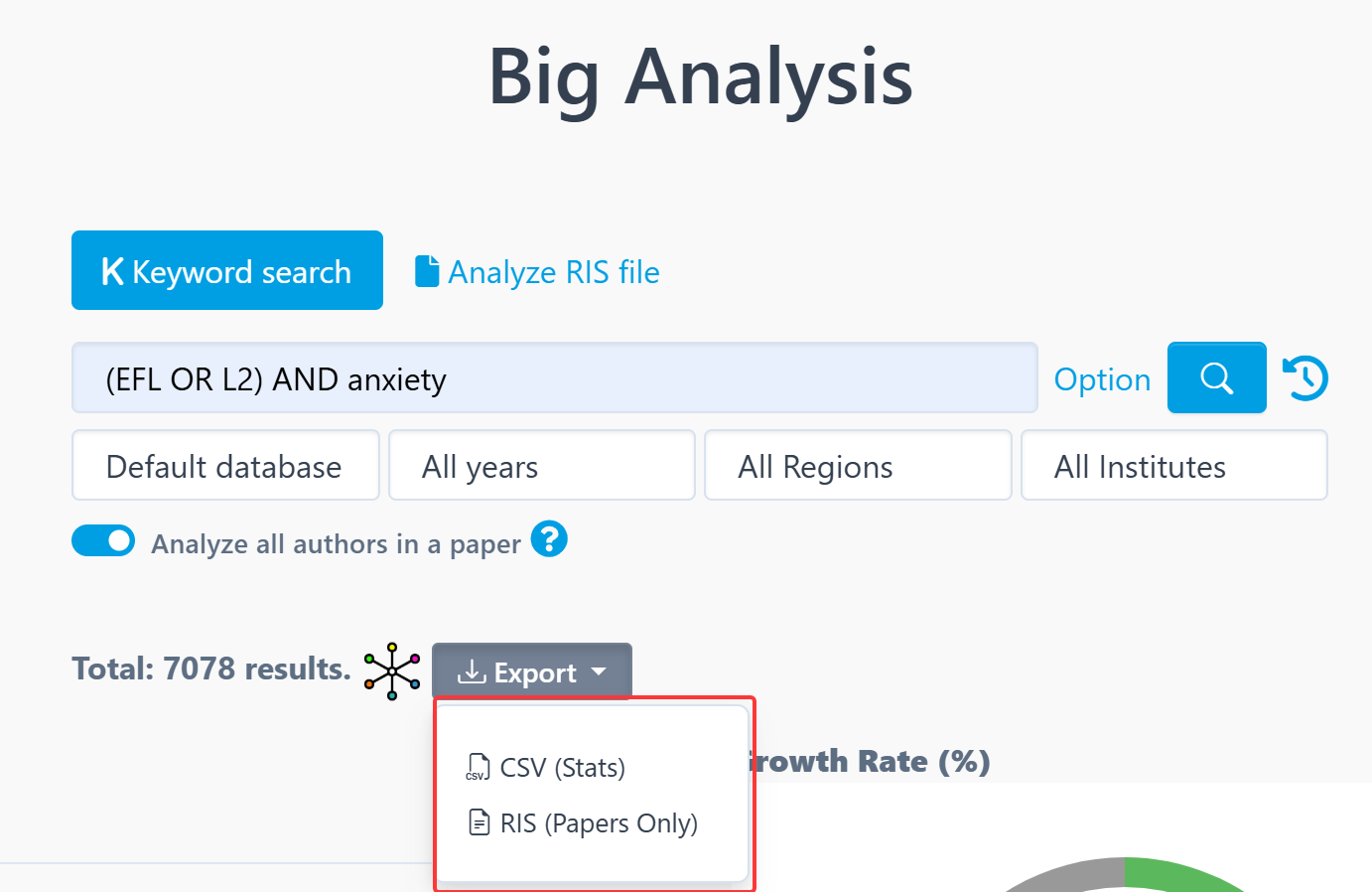
You can export both the analysis results and the complete publication list directly from the Export section.
You can now right-click any chart to copy or save it. All exported figures have transparent backgrounds, making them easy to use in papers, presentations, posters, and more.
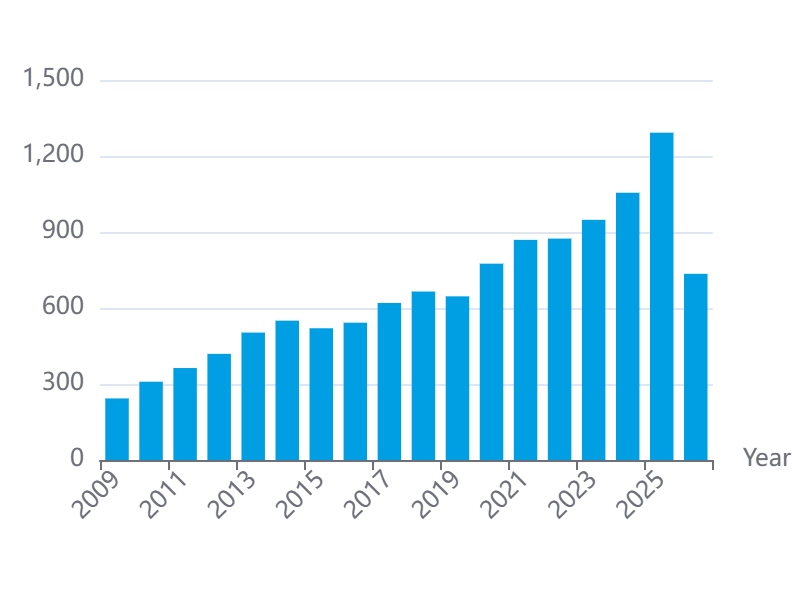
Sometimes, the fastest way to understand a field is to see the whole picture first.
Give Big Analysis a try and see your research field from a new perspective.
【User Reviews】
Joseph Baker (Stanford University): Big Analysis is a fantastic tool for scientists in need of aggregating all aspects of research in their field. Personally, I've used Big Analysis to find papers to include in a systematic review for publication, to aggregate existing data for power analyses, and to finding the name and contact information for other researchers in my field. Together with Stork, Big Analysis is an indispensable tool for all research scientists.
【How to use】
Big Analysis is an advanced feature offered by Stork (free trial is available). After registering/logging into Stork (https://www.storkapp.me), you can find them under the "Advanced Feature" section. Then you can try it out or subscribe. Alternatively, you can visit Big Analysis at https://www.storkapp.me/meta/.

写作助手,把中式英语变成专业英文
AI writing papers with real references