Did you know?
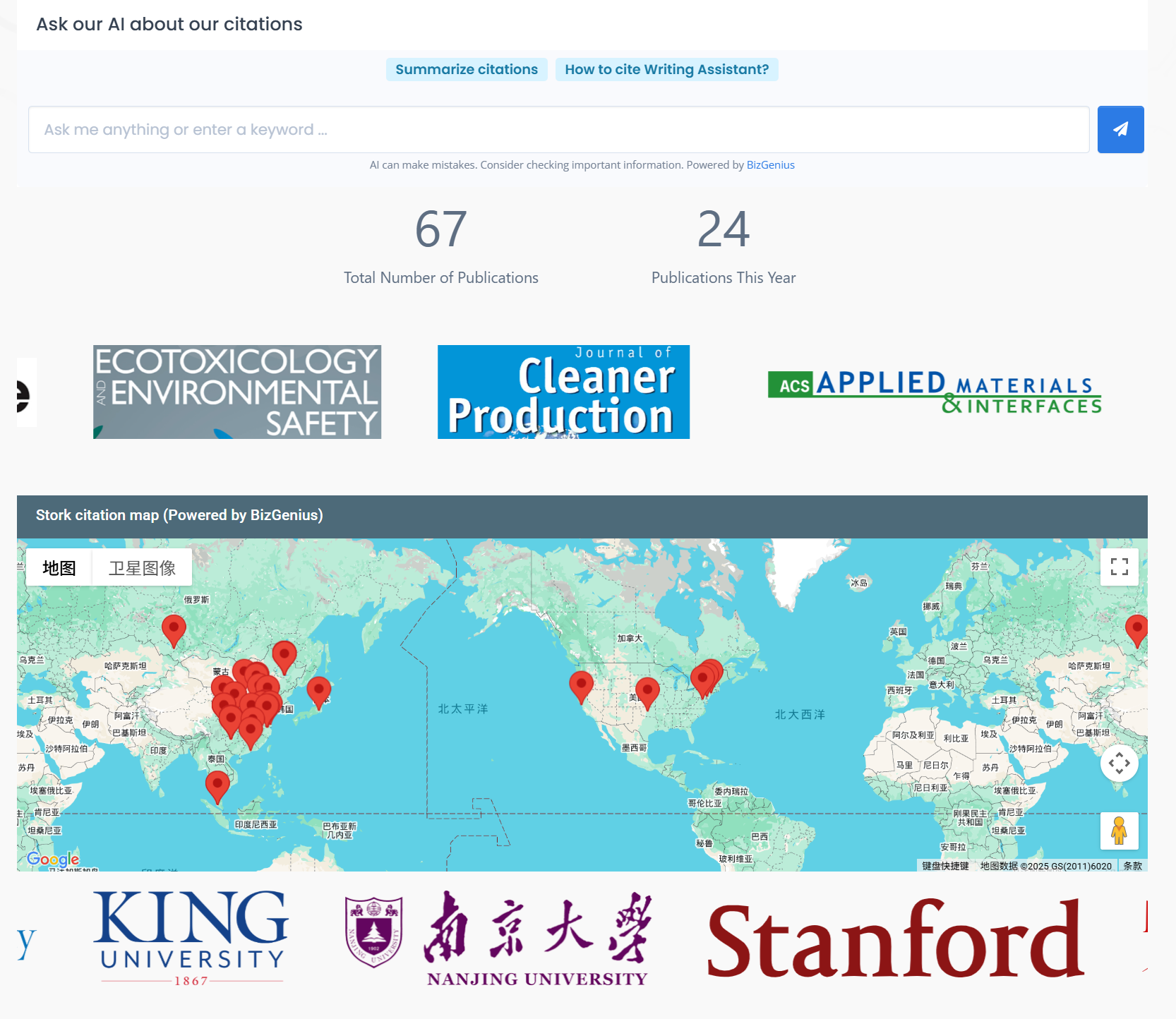
More than 60 scientific papers have already cited Stork. What began as a simple paper alert assistant has grown into a tool that researchers rely on throughout their workflow. Let’s take a look at what this growing “citation landscape” looks like.
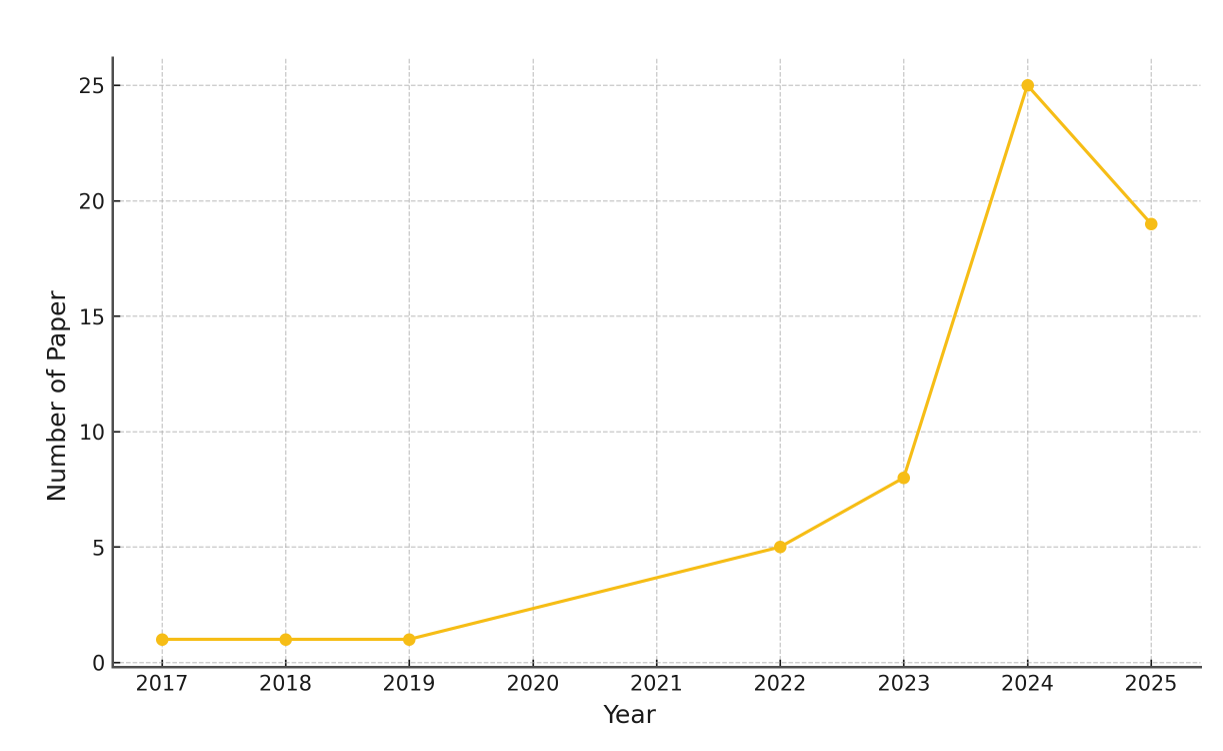
The earliest known citation appeared in 2017. In that paper, published in Virologica Sinica, Editor Dongbo Nie and colleagues described Stork as "a practical tool that significantly improves the work quality and efficiency for journal editors. "
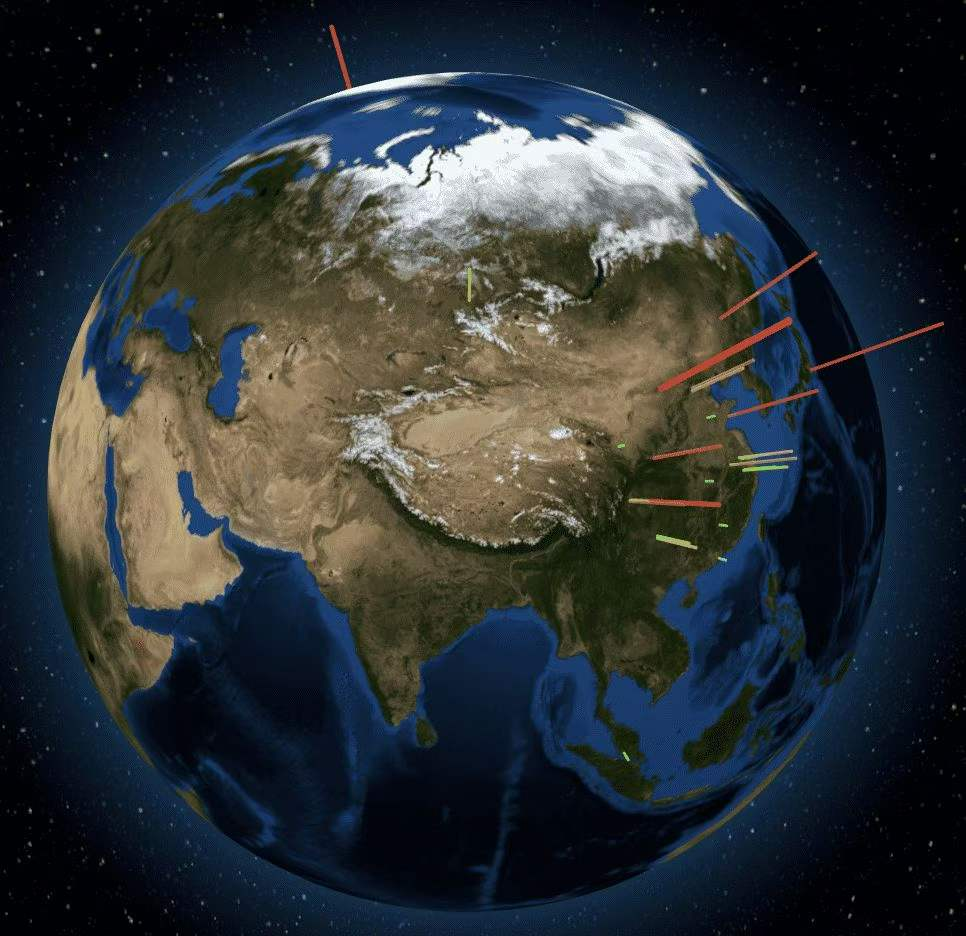
As Stork added more features, more researchers started using it in their work and began citing it in their publications. Nearly 70% of the citations appeared in 2024–2025, which shows how rapidly Stork's adoption has picked up. The papers come from seven countries and more than 30 universities and research institutes—about 80% from Chinese teams, with the rest from the United States, Malaysia, Australia, Japan, Russia, and Turkey.
Most of these studies were published in mainstream SCI and SSCI journals, and a number of them even appeared in high-impact venues (IF ≥ 10) such as Science Bulletin and Advanced Functional Materials.
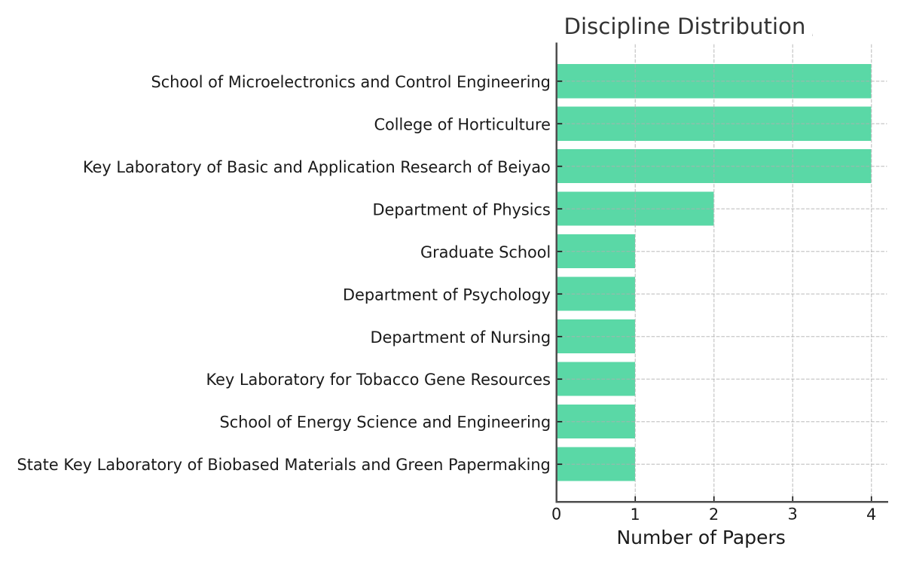
Among the papers that cite Stork, about one-third come from medical and health-related fields such as nursing, dentistry, biomedical science, and radiation protection. Around one-fifth come from life sciences and agriculture, including plant science, ecology, and agronomy. The rest cover a wide range of areas—materials science, physics, engineering, environmental science, as well as psychology and the social sciences.
We warmly welcome researchers from even more fields to explore Stork's tools and let them support your work and publications.
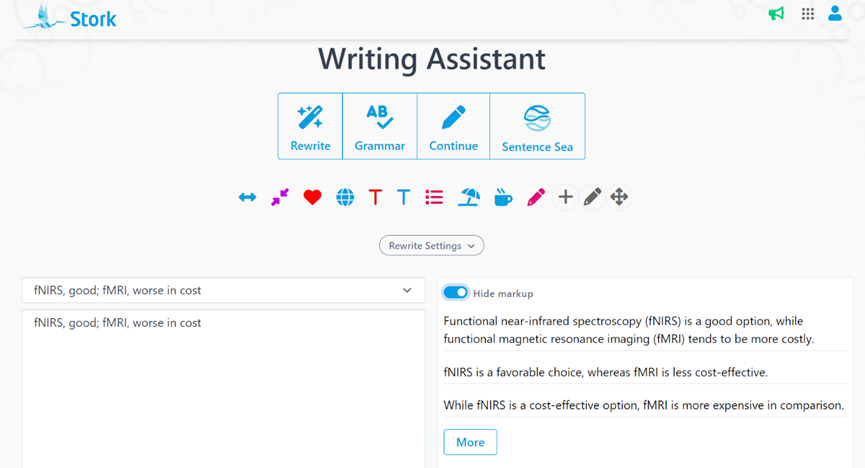
In these papers, the most frequently mentioned one is the Writing Assistant:
" The text in this paper was polished and significantly improved by Stork's Writing Assistant (https:// www.storkapp.me/writeassistant/)."
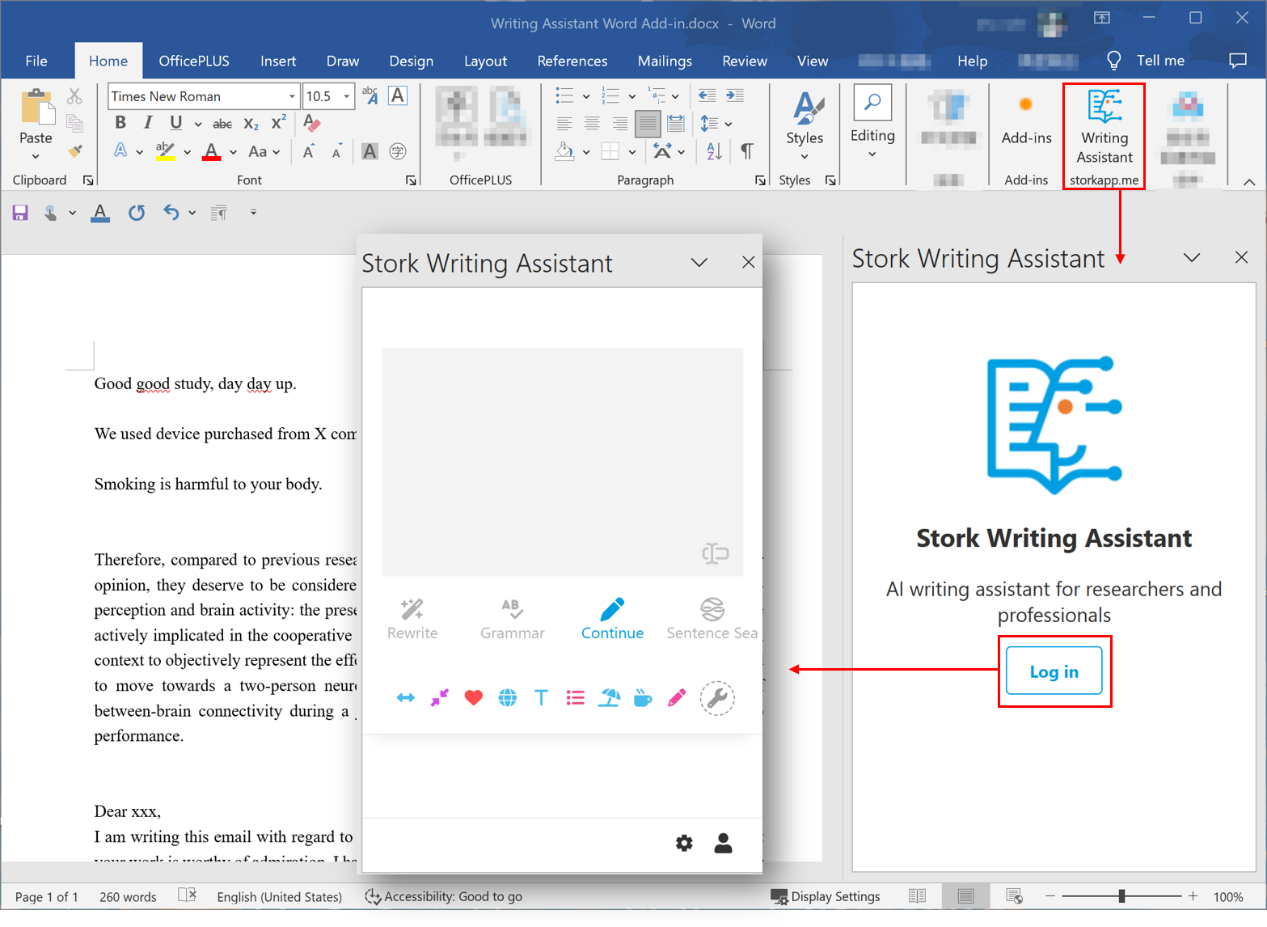
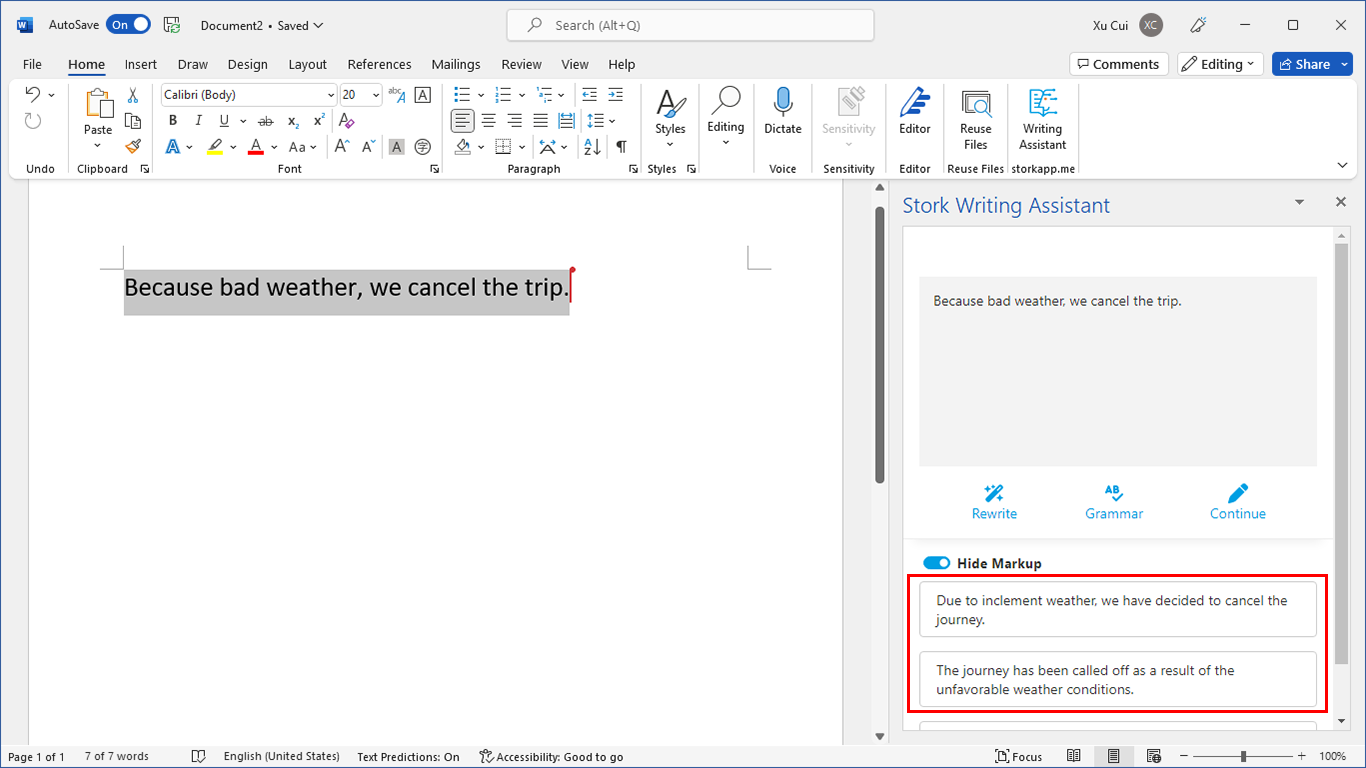
It can help you with text polishing, grammar correction, and paragraph expansion, while also offering a Word Add-in for a smoother writing experience.
Another commonly cited set of tools includes Big Analysis and Citation Network:
"The authors would like to thank Stork (https://www.storkapp.me/) for their invaluable support and resources that greatly assisted the review."
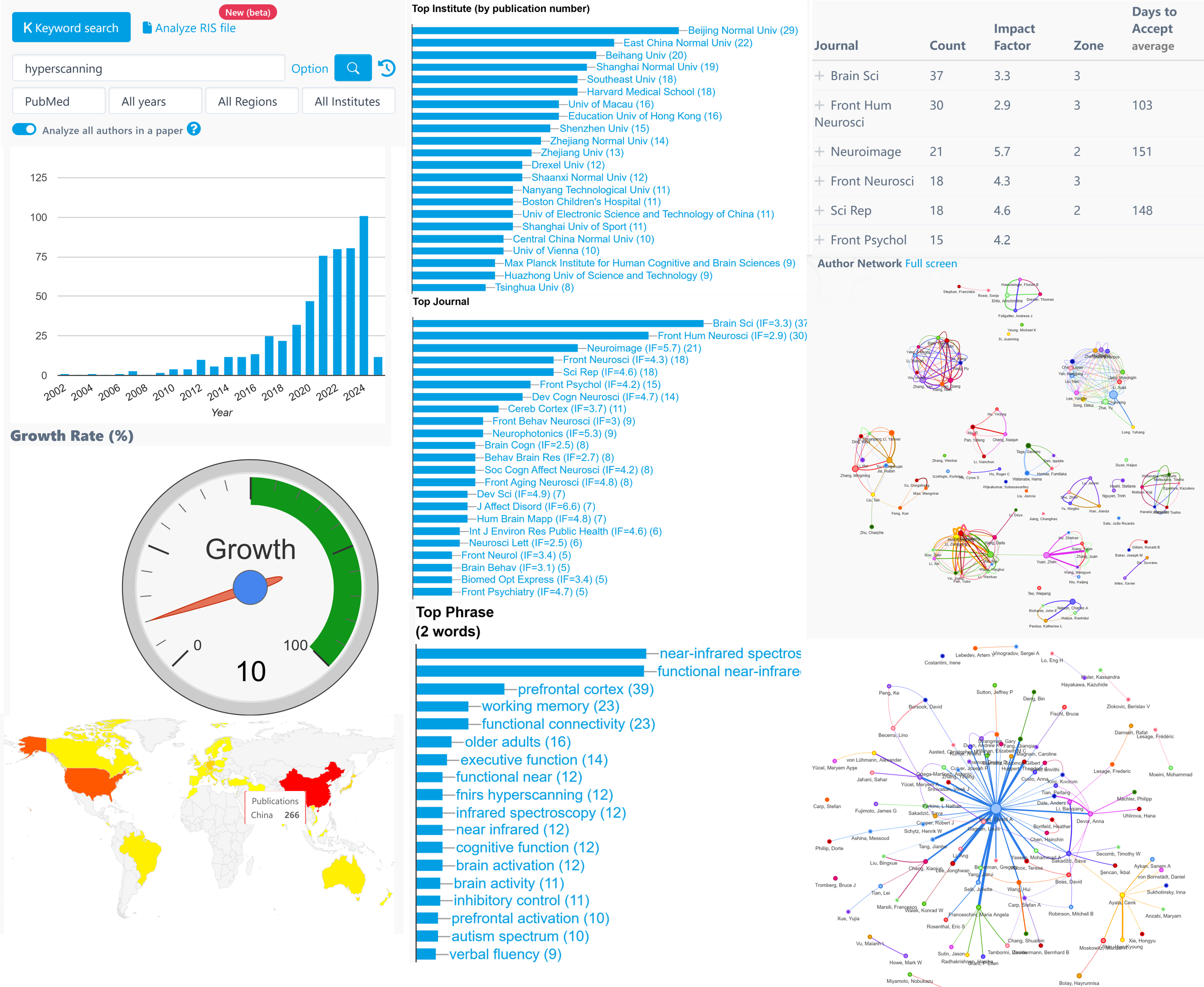
Big Analysis allows a researcher to quickly understand all aspects of a field's progress in a matter of minutes, including growth trends, geographic distribution, experts (and their contact information), genes, diseases, brain regions, etc.
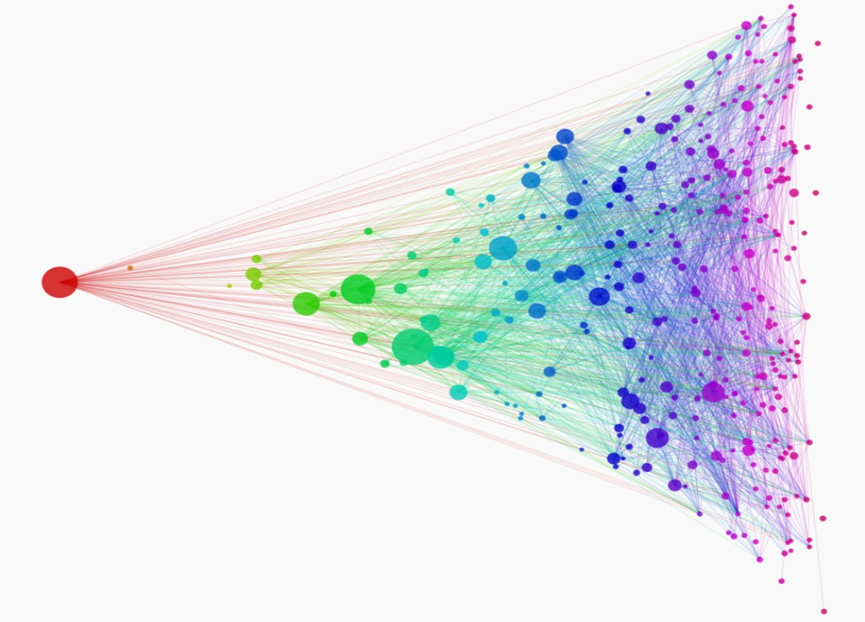
Citation Network allows researchers to quickly identify the classic/important papers in a field within a few minutes and do more research with less effort.
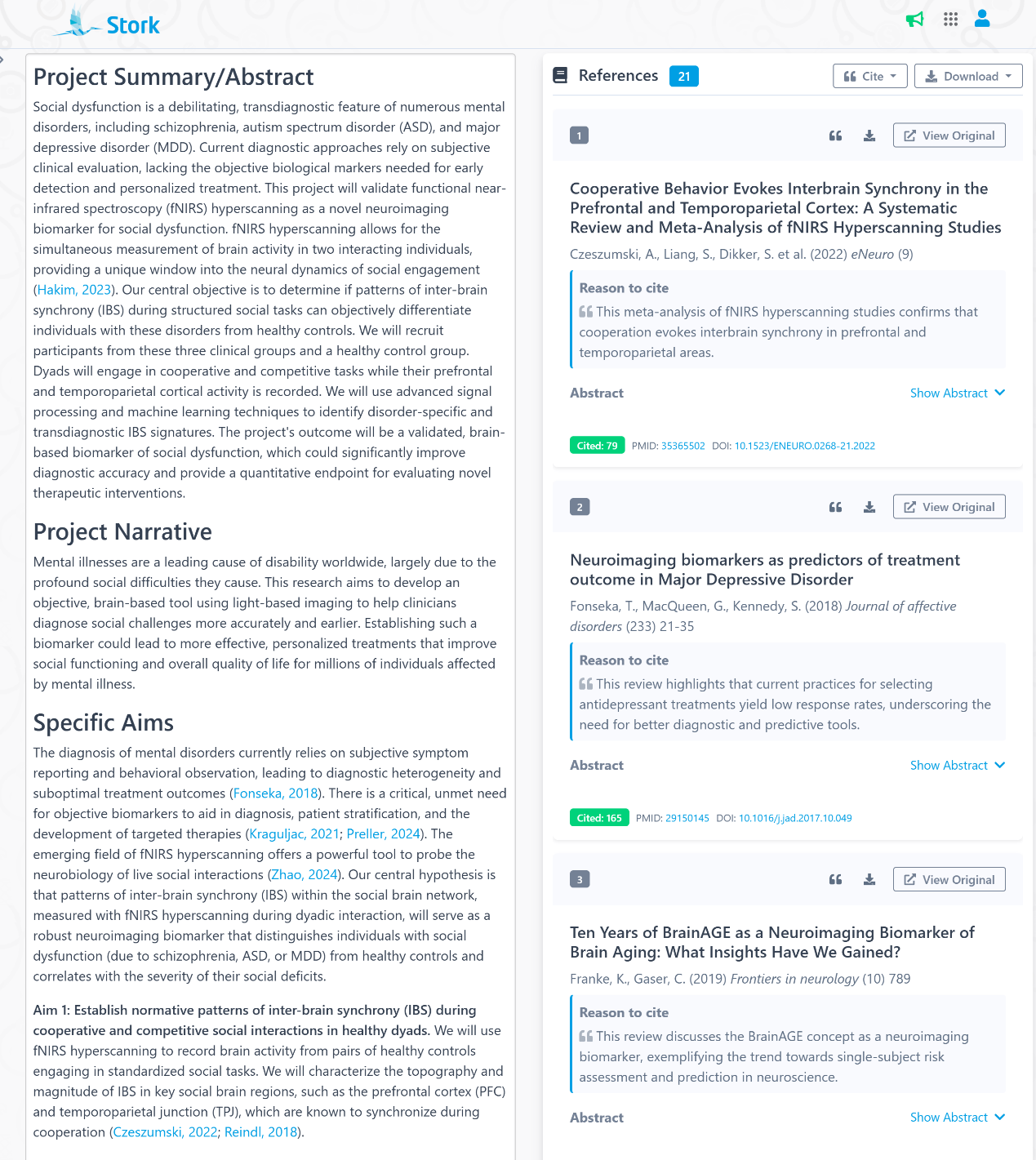
Stork's AI Paper is also becoming a popular advanced feature, offering structured draft to help researchers begin their writing process more easily.
Every citation is a reminder that Stork has been part of real research stories. And more are coming. Stork will stay by researchers' side—helping make the path from idea to publication a little smoother.
【User Reviews】

Eric Li, Ph.D
Stanford University
"Writing Assistant is an excellent tool for scientists and researchers to improve the quality of their publication writing. I highly recommend Writing Assistant for those whose native language is not English or who lack writing skills and ideas."

Juanjuan Du, Professor
Tsinghua University
"In the past, the task of writing was often time-consuming. Fortunately, Writing Assistants have made this process much simpler by providing multiple sentences with the same meaning. This has made writing much more efficient and enjoyable."
Hüseyin Yiğit
Erciyes University
"I needed some support with English language and grammar during the publication process of my work. For this purpose, I applied to various language services, and their cost exceeded $400. With Stork, I resolved the language and grammar needs of my manuscript for only $12. Stork saved me $400. I thank the Stork team."

Joseph Baker
Stanford University
“Big Analysis is a fantastic tool for scientists in need of aggregating all aspects of research in their field. Personally, I've used Big Analysis to find papers to include in a systematic review for publication, to aggregate existing data for power analyses, and to finding the name and contact information for other researchers in my field. Together with Stork, Big Analysis is an indispensable tool for all research scientists.”
【How to use】
After registering/logging into Stork (https://www.storkapp.me), you can find Stork's advanced features under the "Advanced Feature" section. Then you can try it out or subscribe.
If you cite Stork in your paper, please let us know at [email protected], and we'll offer you a discount based on the journal's impact factor when you subscribe to Writing Assistant or other advanced features.

写作助手,把中式英语变成专业英文
AI writing papers with real references